







Most people think donating a car is simple:
- give the vehicle to charity
- sign the paperwork
- cancel insurance
- move on
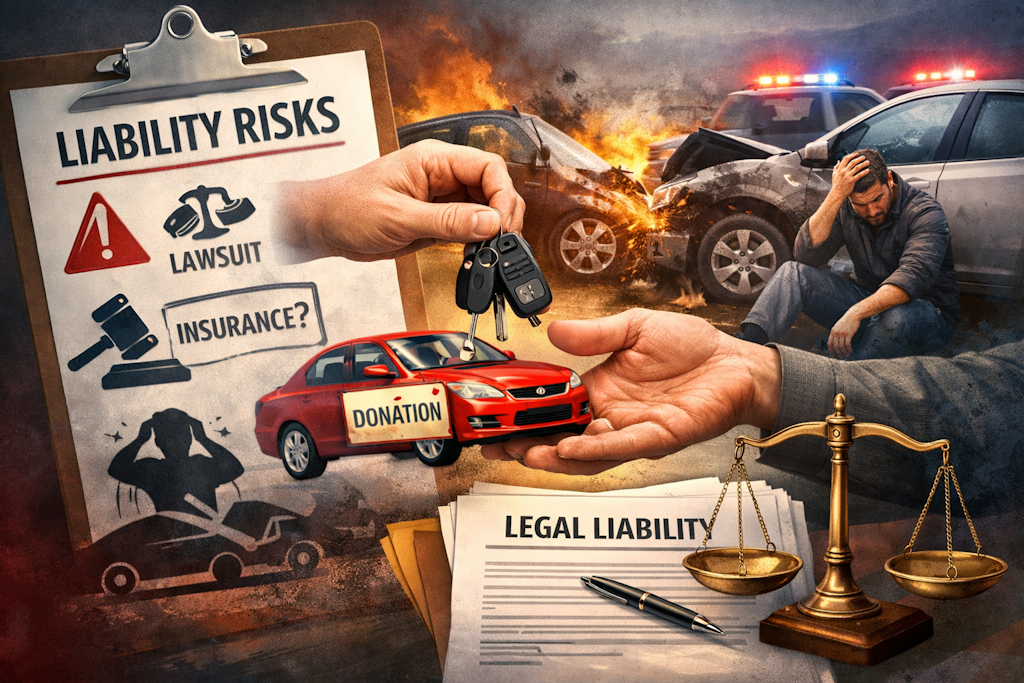
But there’s a problem many donors don’t realize until it’s too late:
👉 you may still be legally responsible for the car even after it leaves your driveway.
If the title transfer is delayed—or handled incorrectly—you could face liability issues, fines, insurance disputes, or even lawsuits.
Here are the biggest liability risks to understand before donating your vehicle in 2026.
The Biggest Misunderstanding About Car Donations
Many people assume:
“Once the charity picks up the car, it’s no longer my responsibility.”
That’s not always true.
In many states, legal responsibility can remain with you until:
- ownership is officially transferred
- DMV records are updated
- liability release forms are processed
Until then, the vehicle may still legally point back to YOU.
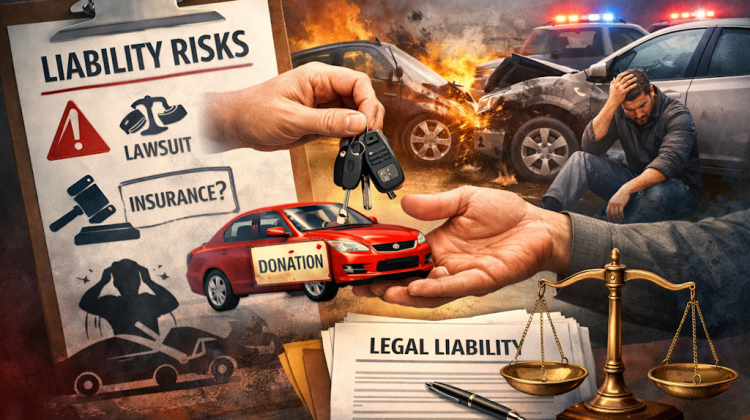
Risk #1: Accidents Before Title Transfer
This is the most serious scenario.
Imagine:
- the charity picks up your car
- title processing takes several days
- the vehicle is driven before paperwork is finalized
- an accident occurs
👉 If the car is still registered in your name:
- you may receive notices
- insurance claims could involve you
- lawyers may contact you
Even if you eventually prove you’re not responsible, the situation can become stressful and expensive.
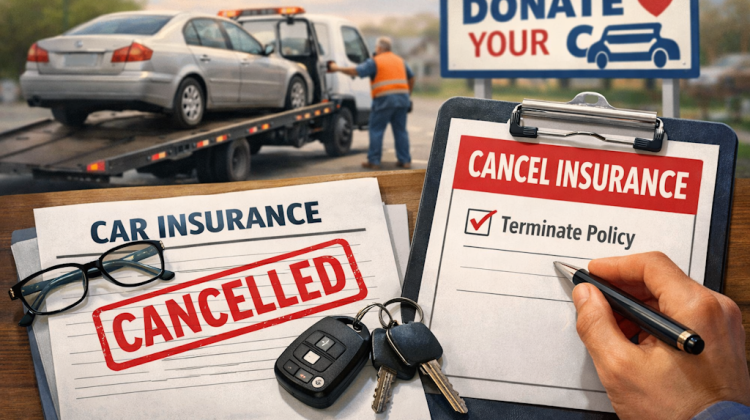
Risk #2: Canceling Insurance Too Early
A common mistake is canceling insurance immediately after donation.
But if:
- ownership transfer is incomplete
- paperwork is delayed
- the vehicle is still legally yours
👉 you may suddenly have:
- no insurance coverage
- ongoing liability exposure
This creates a dangerous gap.
Risk #3: Incomplete DMV Documentation
Some states require additional paperwork beyond signing the title.
Depending on your location, you may need:
- a release of liability form
- notice of transfer documents
- registration cancellation
Failing to complete these steps can cause:
- parking tickets linked to you
- toll violations
- tax notices
- registration issues
Risk #4: Charity Processing Delays
Not all charities process donations quickly.
Sometimes:
- vehicles sit in storage
- paperwork is outsourced
- auctions are delayed
👉 During this period, ownership records may remain unchanged.
That’s why documentation matters so much.
Risk #5: Trusting Verbal Confirmation
Some donors rely on statements like:
“Don’t worry, we’ll handle everything.”
Never rely only on verbal assurances.
Always request:
- written confirmation
- donation receipts
- title transfer proof
- release documents
If problems appear later, paperwork is your protection.
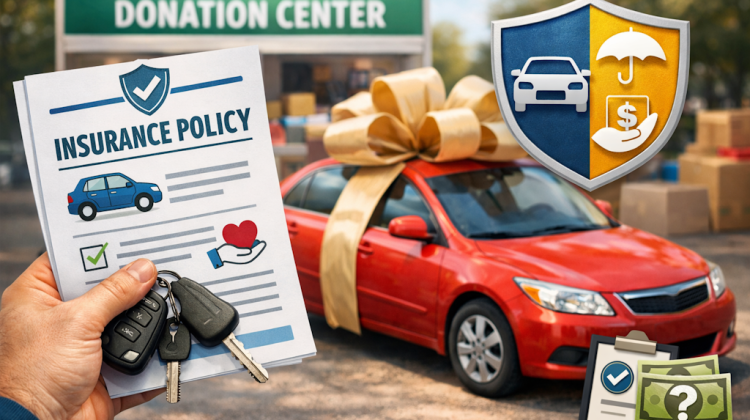
How to Protect Yourself Properly
Here’s the safest process:
1. Keep insurance active temporarily
Do not rush cancellation.
2. Transfer title correctly
Double-check all signatures and dates.
3. Notify your DMV if required
Many people skip this step.
4. Keep copies of EVERYTHING
Store digital backups too.
5. Confirm ownership transfer completion
Never assume it happened automatically.
Real-World Example
A donor gives a vehicle to charity and cancels insurance the same day.
A week later:
- the vehicle receives parking tickets
- title transfer still hasn’t been processed
- local records still show the donor as owner
Now the donor must:
- dispute the fines
- prove the donation date
- resolve paperwork issues
👉 Most of this could have been avoided with better timing and documentation.
❌ Common Mistakes to Avoid
- Canceling insurance immediately
- Forgetting DMV notification requirements
- Not keeping donation records
- Assuming pickup = ownership transfer
- Ignoring liability until paperwork is complete
Final Thoughts
Donating a car is generous—but it should also be handled carefully.
The biggest mistake people make is focusing only on:
- tax deductions
or - getting rid of the vehicle quickly
…and ignoring the legal side of the process.
👉 Until ownership is officially transferred, liability risks can still follow you.
A few extra precautions today can prevent major problems later.
❓ FAQ
Am I still liable after donating my car?
Possibly—until ownership is officially transferred.
Should I keep insurance on the donated vehicle?
Usually yes, until paperwork is finalized.
What documents should I keep?
Donation receipt, title transfer confirmation, and liability release forms.
Can parking tickets or accidents still affect me?
Yes, if the vehicle remains legally connected to your name.
No Comment